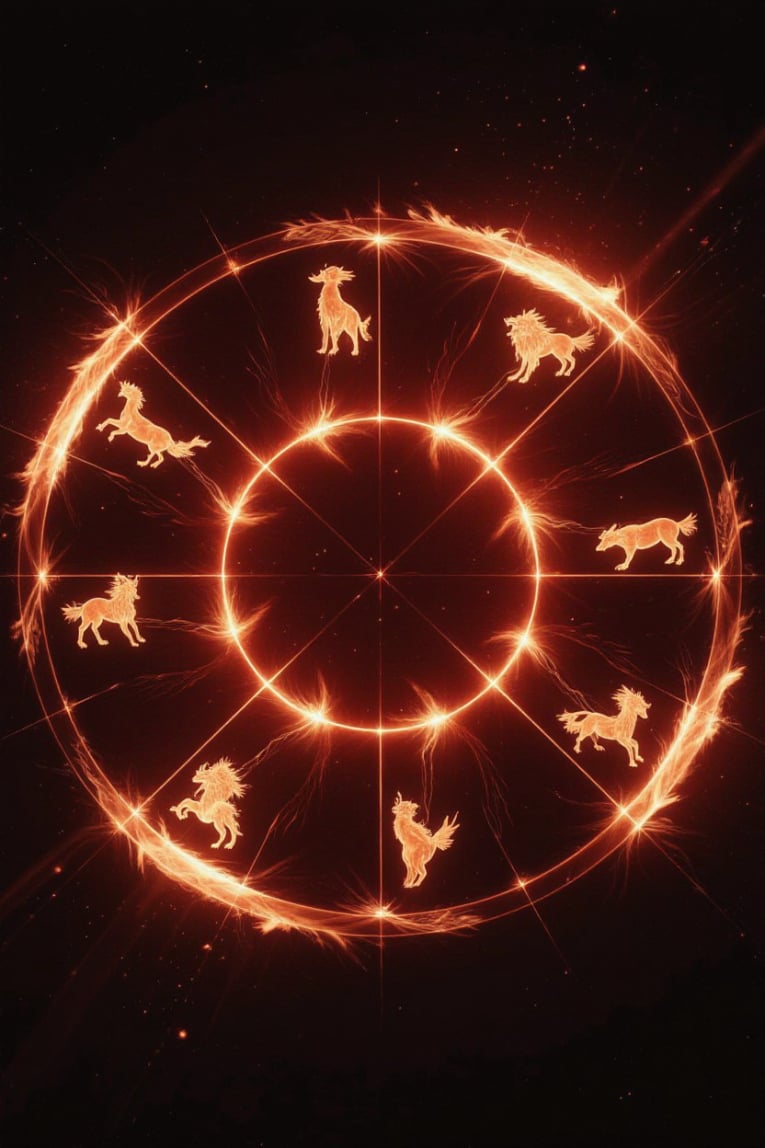
This page presents tarot 2026 as an informational and descriptive overview of how tarot-based content is commonly structured for a calendar year. The material is provided for general reading and cultural context only. It does not claim certainty, does not describe verified outcomes, and is not intended to influence personal, financial, medical, or other significant decisions. On StarCycle, tarot is presented as an editorial framework that uses symbolic categories to organise themes and reflections. The purpose of this page is to explain how year-based tarot overviews are typically written and how they are often grouped using familiar systems. For clarity and consistency, this page uses the Chinese zodiac as an organisational structure. This approach helps readers navigate the content and understand how similar material is often arranged in public and editorial sources. All descriptions below are written in a neutral tone. References to “themes”, “focus”, or “reflection” are used as descriptive labels that explain how tarot overviews are commonly presented. They should not be interpreted as statements about what will happen or as guidance for individual choices.
Tarot overviews associated with the Rat are often written around planning, adaptability, and awareness of available resources. In a 2026 context, editorial descriptions may focus on how attention is distributed across tasks and how information is gathered before conclusions are formed. These themes are commonly used to describe organisational patterns rather than outcomes. A neutral reading treats them as examples of how tarot writers structure reflective content.
Ox-related tarot summaries frequently emphasise steadiness, persistence, and routine. Tarot 2026 texts may describe long-term processes, gradual development, and the role of patience in maintaining continuity. Such descriptions are typically broad and non-specific. They illustrate how symbolic associations are used in tarot writing to frame ideas about consistency and structure.
Tiger-themed tarot content is often framed around momentum, confidence, and measured initiative. In year-based overviews, these themes may be used to describe how energy is directed and how action is balanced with awareness of limits. The language remains interpretive and does not suggest that particular situations will occur. It reflects a narrative style commonly found in tarot summaries.
Tarot descriptions for the Rabbit commonly reference comfort, environment, and sensitivity to context. Tarot 2026 overviews may include themes of maintaining balance, adjusting pace, and observing surroundings. These ideas are presented as general reflections that show how tarot symbolism is translated into written summaries, without implying certainty or outcome.
Dragon-related tarot writing often uses themes of visibility, ambition, and scale. In a 2026 overview, editorial language may focus on how goals are framed and how responsibilities are managed within broader plans. These descriptions are symbolic and conceptual. They are included to demonstrate how tarot narratives frequently rely on expansive imagery.
Snake-themed tarot summaries are commonly written around observation, discretion, and timing. Tarot 2026 content may highlight careful review of information and attention to underlying details. The language is restrained and reflective. It does not imply hidden abilities or outcomes, but shows how symbolism is used to discuss awareness and context.
Horse-related tarot overviews often reference movement, variety, and pacing. In a year-based format, these themes may be used to describe changes in routine or shifts in focus. The descriptions remain abstract and are not tied to specific events. They illustrate how tarot writing uses motion as a metaphor for organisation.
Tarot content associated with the Goat frequently includes themes of cooperation, creativity, and calm structure. Tarot 2026 summaries may discuss shared efforts, supportive environments, and maintaining steady progress. These ideas are framed as general reflections that explain how symbolic associations are translated into narrative form.
Monkey-themed tarot writing often focuses on curiosity, experimentation, and flexibility. In 2026 overviews, editorial descriptions may address how ideas are tested and how attention moves between topics. The language is intentionally broad and avoids certainty. It demonstrates how tarot frameworks are used to organise thought.
Tarot summaries for the Rooster are commonly written around clarity, routine, and presentation. Tarot 2026 content may describe the importance of structure, review, and consistency. These themes are symbolic and are used to illustrate how tarot writers frame ideas about order in a yearly context.
Dog-related tarot overviews often include themes of reliability, shared expectations, and mutual understanding. In editorial writing, these ideas may be used to describe how agreements and responsibilities are perceived. The language remains neutral and does not suggest that specific interpersonal situations will arise.
Tarot writing for the Pig frequently references balance, rest, and appreciation of everyday routines. Tarot 2026 summaries may focus on sustainability and moderation as general concepts. These descriptions are presented as illustrative examples of how tarot symbolism is used in cultural writing.
© 2026 StarCycle. All rights reserved.
This website uses essential cookies to ensure basic functionality and secure operation.
Optional cookies are not used unless you provide your consent.
No personal data is sold or shared for advertising or tracking purposes.